Texas has more than 7,000 lakes and reservoirs, and almost none of them formed on their own. Nearly every one of the lakes in Texas was built by damming a river. That single fact shapes waterfront ownership in the Lone Star State, from how the water level moves through the seasons to how you get a boat off your own shoreline. This guide tours the Texas lake spots worth knowing, covers what there is to do once you are on the water, and walks through the dock setup that fits each type of shoreline. If you are buying waterfront for the first time, you will also learn why most of these lakes are man-made and how to reach the water without fighting the public ramp crowd.

The Different Lakes in Texas Worth Knowing
Texas spreads its water across every corner of the map. Among the thousands of lakes in Texas, a handful stand out as favorites for boating, fishing, and lake house living, from the big reservoirs on the state line to the clear Hill Country water near Austin. Here are 13 of the most popular.
1. Toledo Bend Reservoir
Toledo Bend is the largest lake in Texas at roughly 181,600 acres, with about 1,200 miles of shoreline along the Sabine River on the Louisiana border. It ranks among the best bass lakes in the country, and largemouth pull anglers here year after year. Public boat ramps sit on both the Texas and Louisiana sides, so access is rarely the problem.
2. Sam Rayburn Reservoir
Sam Rayburn is the largest lake sitting entirely inside Texas at about 114,500 acres, tucked deep in the East Texas piney woods. It carries a national reputation in bass fishing and hosts major tournaments throughout the year. The tradeoff is company on the water during tournament weekends.
3. Lake Lewisville
Lewisville sits on the Elm Fork of the Trinity River about 20 miles north of Dallas, and it anchors waterfront life across the Dallas-Fort Worth area. The lake was built for flood control and water supply, but today it draws water skiing crowds and boaters to its many ramps and full service marinas. That popularity makes it one of the busiest summer lakes in the state.
4. Lake Travis
Travis is a deep reservoir on the Colorado River in the Hill Country west of Austin, and part of the Highland Lakes chain. Boating, swimming, and scuba diving all have a following here, helped by clear water and steep shoreline. Water levels swing with drought, which is worth planning around if you keep a dock.
5. Lake Buchanan
Buchanan is the largest of the Highland Lakes, also fed by the Colorado River. Wide open water gives it a different feel than the narrower lakes downstream, and sailing and cruising both suit it well. Winter brings eagle-watching boat tours, which keeps the lake busy outside the summer season.
6. Inks Lake
Inks is the small one in the Highland Lakes group, and its size is the appeal. Water stays clear and holds its level far better than most Texas reservoirs, so shoreline setups do not need constant adjusting. Inks Lake State Park provides a boat ramp and easy day-use access.
7. Canyon Lake
Canyon Lake is a clear Guadalupe River reservoir in the Hill Country near New Braunfels. Divers and boaters both favor it, and parks ring most of the shoreline. Proximity to San Antonio and Austin keeps weekend traffic steady.
8. Caddo Lake
Caddo is widely regarded as the only large natural lake in Texas, framed by bald cypress trees and Spanish moss on the Louisiana border. The water runs shallow and maze-like, which favors kayaks, canoes, and shallow-draft boats over anything with a deep hull. A boat ramp still serves the lake, but this is a paddling destination first.
9. Lady Bird Lake
Lady Bird Lake is an urban reservoir on the Colorado River in downtown Austin. Gas-powered boats are not allowed, so kayaks, canoes, and paddleboards own the water, and a bike trail rings the shoreline. Private docks are not part of the picture here, which sets it apart from the rest of this list.
10. Lake Conroe
Conroe is a boating and bass lake on the San Jacinto River just north of Houston. Marinas, restaurants, and lake homes line the shoreline, and the lake serves as a close-in weekend escape for the Houston metro. Dock traffic runs heavy through the summer.
11. Lake Texoma
Texoma is one of the largest reservoirs in the country, straddling the Red River on the Oklahoma border. Striped bass built its reputation, and busy marinas support the fishing and boating that follow. Sharing the lake with two states means plenty of ramps and rental options.
12. Possum Kingdom Lake
Possum Kingdom is a clear, cliff-lined reservoir on the Brazos River west of Fort Worth. The "Hell's Gate" cliffs give it a look no other Texas lake matches, and scuba divers and boaters both take advantage. Clear water and rock shoreline make it a strong pick for swimming.
13. Bois d'Arc Lake
Bois d'Arc in Fannin County is the newest major reservoir in Texas and the first new one built in roughly 30 years. It opened with three boat ramps and stocked waters that already produce solid bass. Shoreline development is still young, so there is room to build.
The common thread across the most popular lakes in Texas is steady demand for good waterfront access, and that is where your dock comes in. A dock matched to your shoreline turns a stretch of water into a place you will actually use, and the right dock kit and accessories protect that investment season after season.

The Benefits of a Texas Lake House
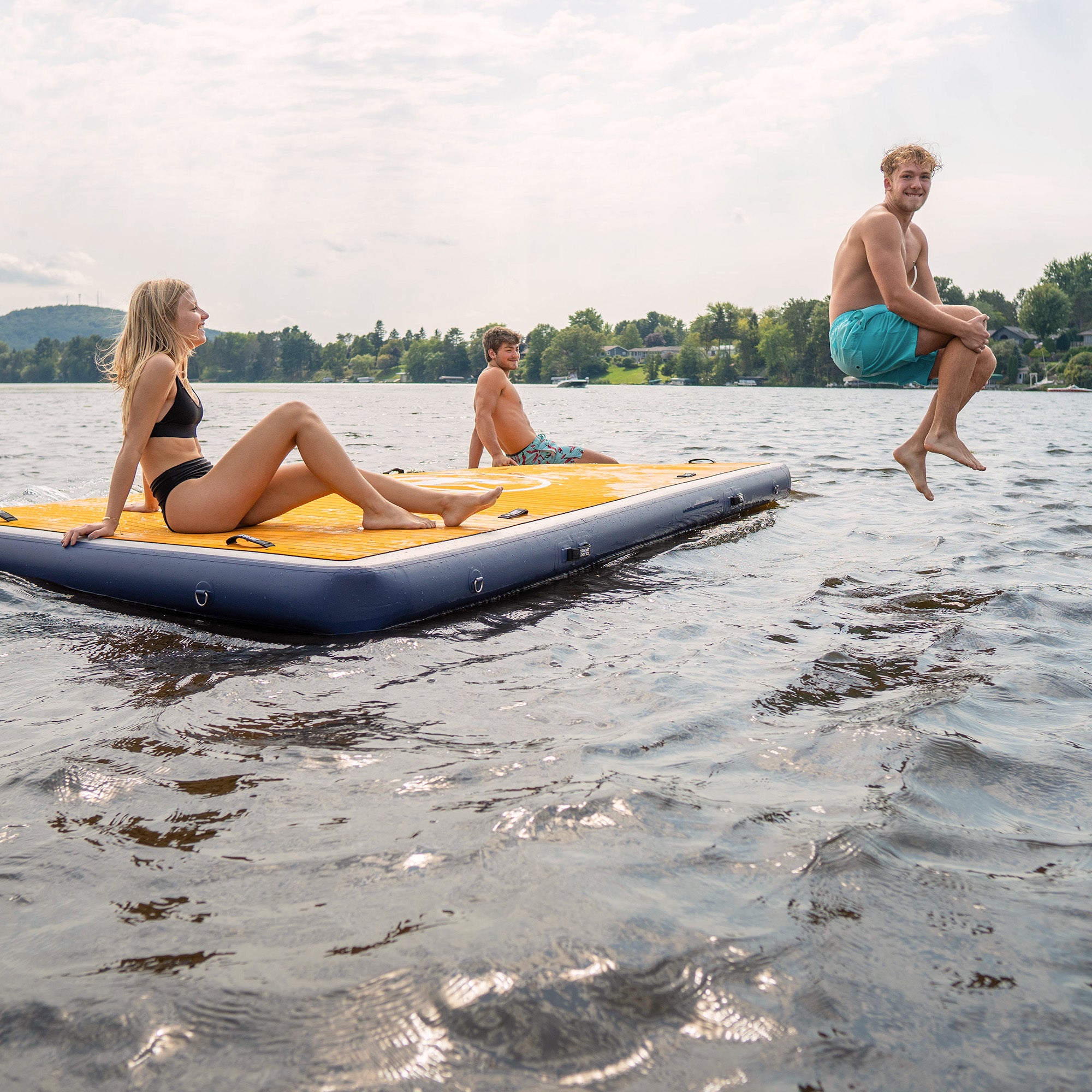
Owning a spot on a Texas lake means the water becomes your backyard. Water skiing and wakeboarding draw the biggest weekend crowds, and Lake Lewisville and the Highland Lakes give skiers long, open runs. Calm mornings are made for swimming, tubing, and paddling a kayak or canoe straight off your own shoreline.
Fishing is the other main draw. Largemouth bass and channel catfish headline most Texas lakes, and Toledo Bend and Bois d'Arc carry the reputation for trophy bass that pulls anglers in from other states.
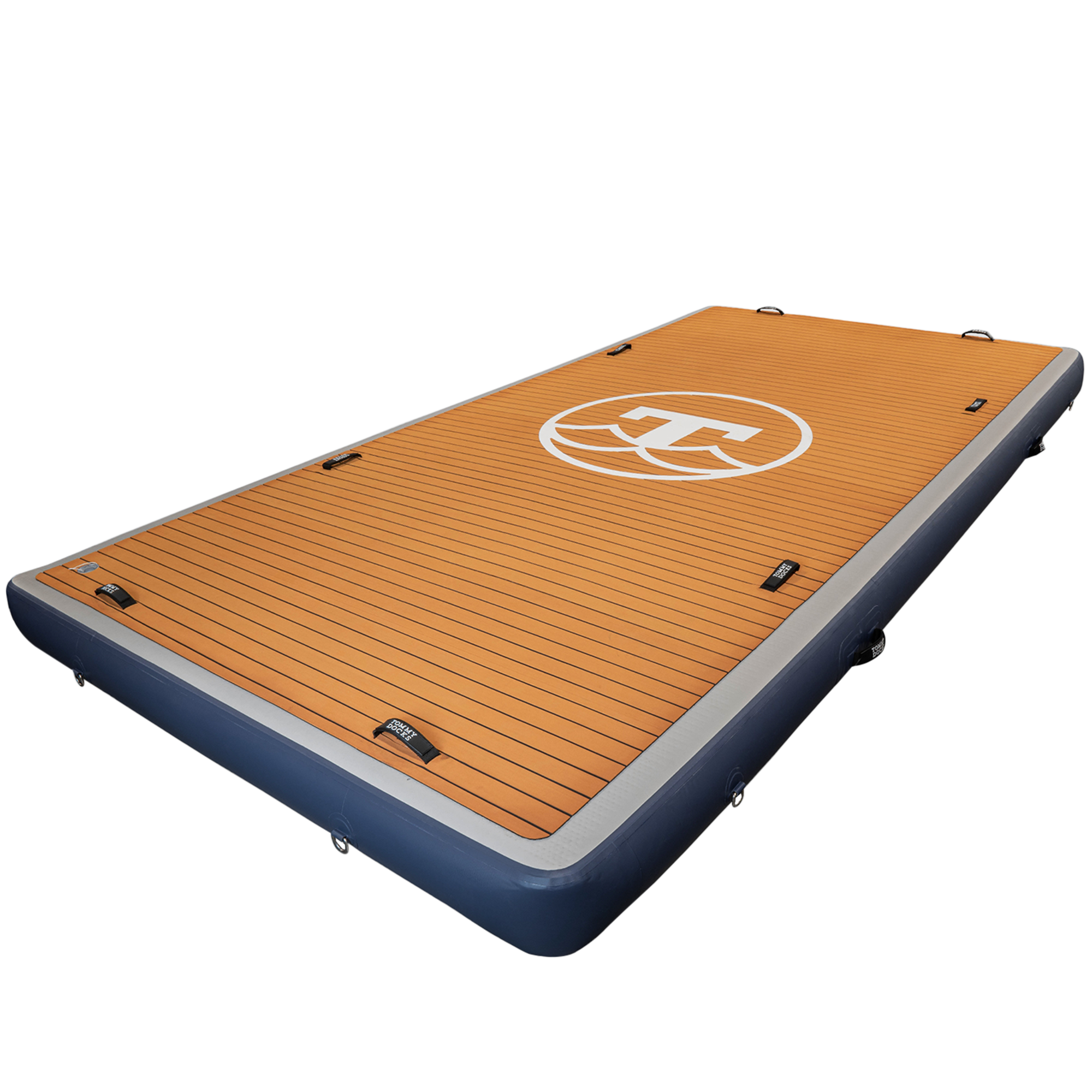
Off the water, many lakes sit beside state parks with hiking, camping, and wildlife. Austin's bike trail loops right along Lady Bird Lake, and the Highland Lakes area even has a golf course, including a 9-hole layout near Inks Lake. Lake living has grown beyond the classic cabin, too, with tiny home communities popping up as weekend getaways and short-term rentals. Man-made surf lagoons are a newer inland draw too, like Waco Surf in Central Texas, which builds ocean-style waves hours from the nearest coast. Swimming off a private dock is simpler with a sturdy set of dock ladders, and paddlers get on the water faster with a floating launch built for kayaks.

Best Tommy Docks Products for Your Texas Lake House
Floating and stationary docks
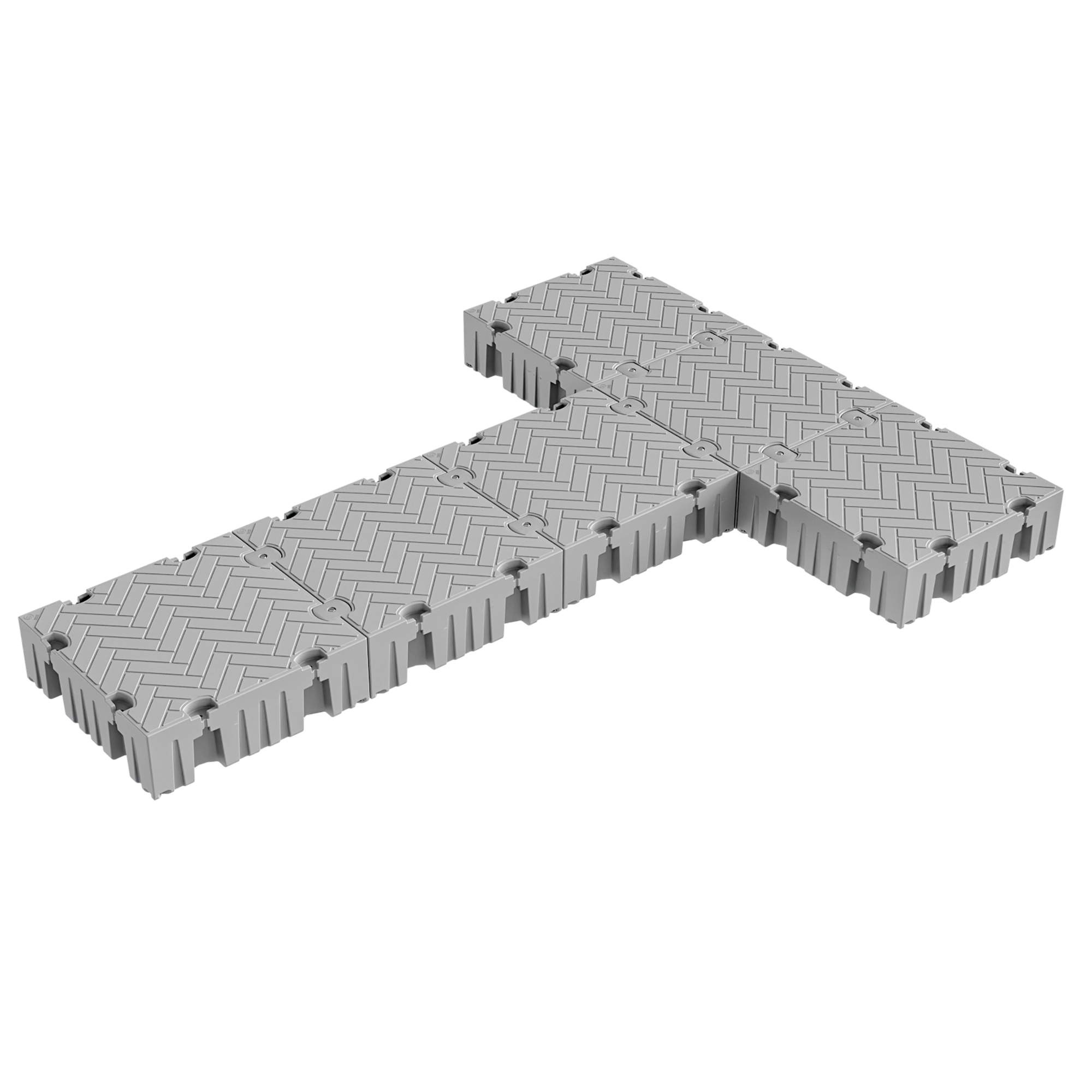
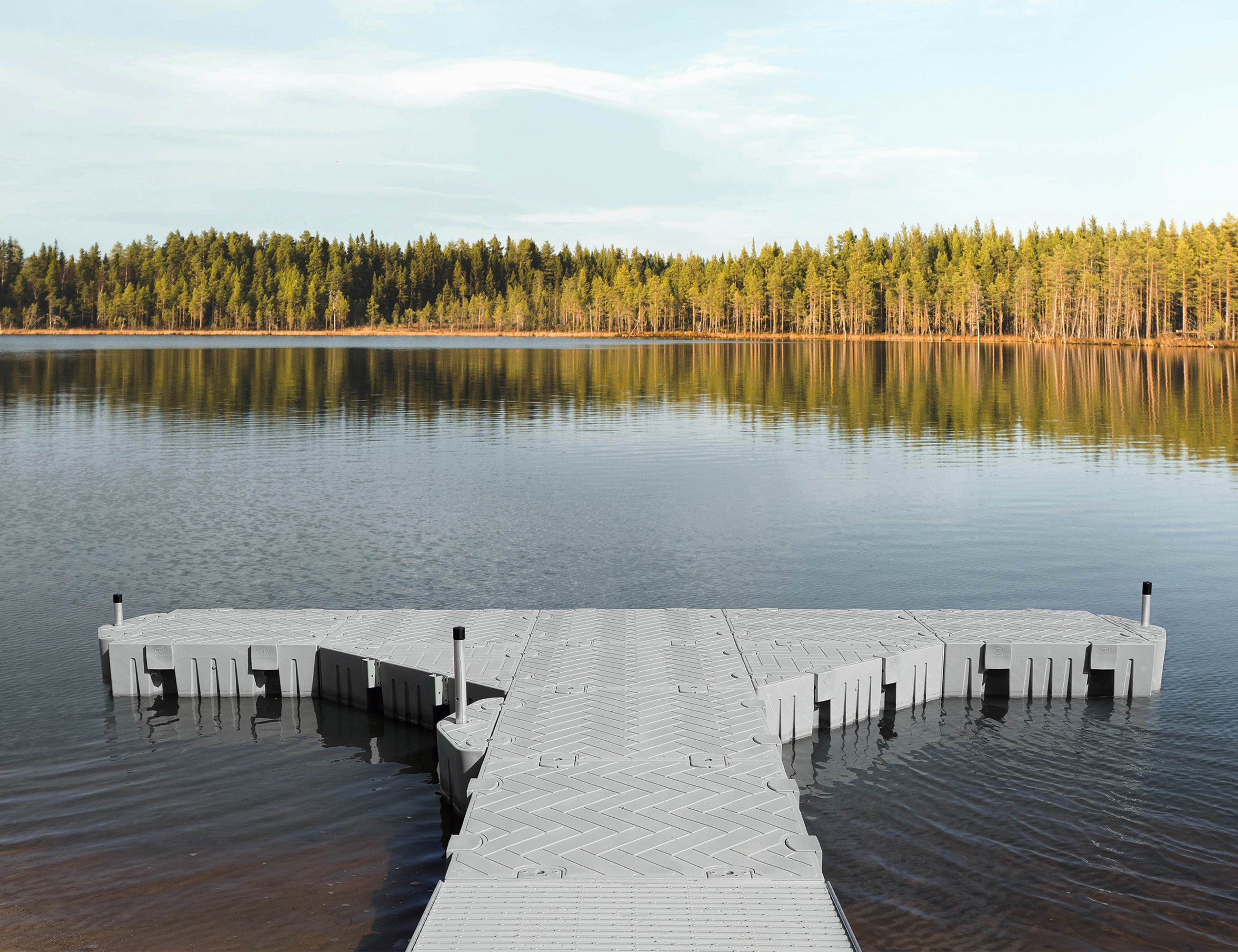
Most Texas reservoirs draw down through the summer, so floating docks are the practical pick where the water level moves. Our FLEXX dock packages ride those changes while staying level underfoot. For steadier shorelines, stationary docks in cedar, composite, or aluminum Titan framing give you a fixed platform that handles wakes and daily traffic.
Roll-in docks for shallow water
Shallow, firm shorelines call for a different build. Roll-in docks wheel out over hard lakebeds and pull back in when you need them off the water, which suits the low, gradual banks common on Hill Country and North Texas lakes.
Accessories that earn their place
The right add-ons turn a plain platform into a usable dock. Dock ladders make swimming and re-boarding easy, bumpers and caps protect your hull, and cleats give you solid tie-off points. Dock lighting keeps evening trips safe, and quality hardware holds the whole system together season after season. For soft or mucky bottoms, muck footpads and auger feet keep posts from sinking.
Every Tommy Docks system is modular, American-made, and built for a weekend install, so you can size and shape the dock to your own waterfront. A dock at your place also means quick boat access without waiting at a public boat ramp.
Natural vs. Man-Made: Why Most Texas Lakes Are Reservoirs
The reason almost every Texas lake is man-made comes down to water. Texas leans on surface water stored behind dams for its water supply, so most of what people call a lake is really a river held back by a dam. The Colorado River feeds the Highland Lakes, the Brazos River created lakes like Possum Kingdom, Granbury, and Whitney, the Sabine formed Toledo Bend, and the Rio Grande backs up border reservoirs such as Amistad and Falcon.
Flood control drove many of these projects. Lewisville Lake is a clear example, holding back the Trinity to protect the towns downstream. Several bodies of water began life as a power plant lake, built to cool a power plant, and that warmer water supports year-round bass and channel catfish fishing that colder lakes cannot match. Caddo Lake remains the outlier, the state's only large natural lake.
Because these reservoirs hold the state's surface water supply, river authorities and the U.S. Army Corps of Engineers manage them closely, which keeps water quality and levels under regular watch. That management is also why levels rise and fall through the year, and why floating docks tend to be the smart pick on a reservoir.

Getting on the Water: Boat Ramps, Marinas, and Lake Access
Getting on the water usually starts at a public boat ramp. Big reservoirs like Toledo Bend and Lake Lewisville have dozens of them, though they fill up fast on summer weekends when everyone hauls a boat out at once. Full service marinas take some of that pressure off, with fuel, slips, rentals, and repairs in one place.
On large lakes, navigation matters. A mile marker system and marked boat lanes on Toledo Bend and Lake Lewisville help you find the right boat ramp, the marina, or your fishing spot without guessing across miles of open water. Watching the mile marker count also keeps a first time visitor oriented on a lake with so many miles of shoreline.
In East Texas, some boat ramps sit deep in the piney woods, reached by a forest road winding through national forest. Those forest road routes pass through tall pine trees and lead to quieter water with shorter lines, great for a morning of water skiing before the crowds. A private dock skips all of it. With your own dock, you launch straight from your shoreline, no boat ramp wait and no trailer shuffle. When you are ready to build, our team can help you find a dealer and installer, and gangways and ramps make the shoreline transition easy.
Enjoy Your Texas Lake House
Texas runs on man-made reservoirs perfect for bass fishing, water skiing, and quiet paddling. The right dock is what turns all that water into an extension of your backyard.
Browse the full lineup of dock kits and accessories when you are ready to set up your own waterfront, and read more about how we build American-made docks. Life on the lakes in Texas is better from your own dock, and getting there is simpler than most first-time owners in the Lone Star State expect.
Frequently Asked Questions
What is the largest lake in Texas?
Toledo Bend Reservoir is the largest lake in Texas at about 181,600 acres, with roughly 1,200 miles of shoreline along the Sabine River on the Louisiana border. It ranks among the country's top spots for bass fishing and largemouth bass, and it has public boat ramps on both the Texas and Louisiana sides.
Are there any natural lakes in Texas?
Caddo Lake is the state's only large natural lake, known for its bald cypress trees and shallow, winding channels. Texas does have a scattering of small natural oxbow lakes, but almost every lake you have heard of is a reservoir created by damming a river for water supply and flood control.
What kind of dock works best on a Texas lake?
Floating docks are usually the best fit because most Texas reservoirs rise and fall through the year. On steadier, firm shorelines a stationary or roll-in dock can work well, and a floating dock still lets you keep a level surface when the water level drops in summer.
What can you do at a lake house in Texas?
Texas lakes are built for water skiing, boating, swimming, and fishing for largemouth bass and channel catfish. Many sit near state parks with hiking and a bike trail, and areas like the Highland Lakes even have a golf course nearby.
Do I need a boat ramp if I have a dock?
A private dock lets you launch right from your own shoreline, so you skip the public boat ramp line on busy weekends. Public boat ramps and full-service marinas are still handy for larger boats and for guests, but your own dock is the quickest way onto the water.