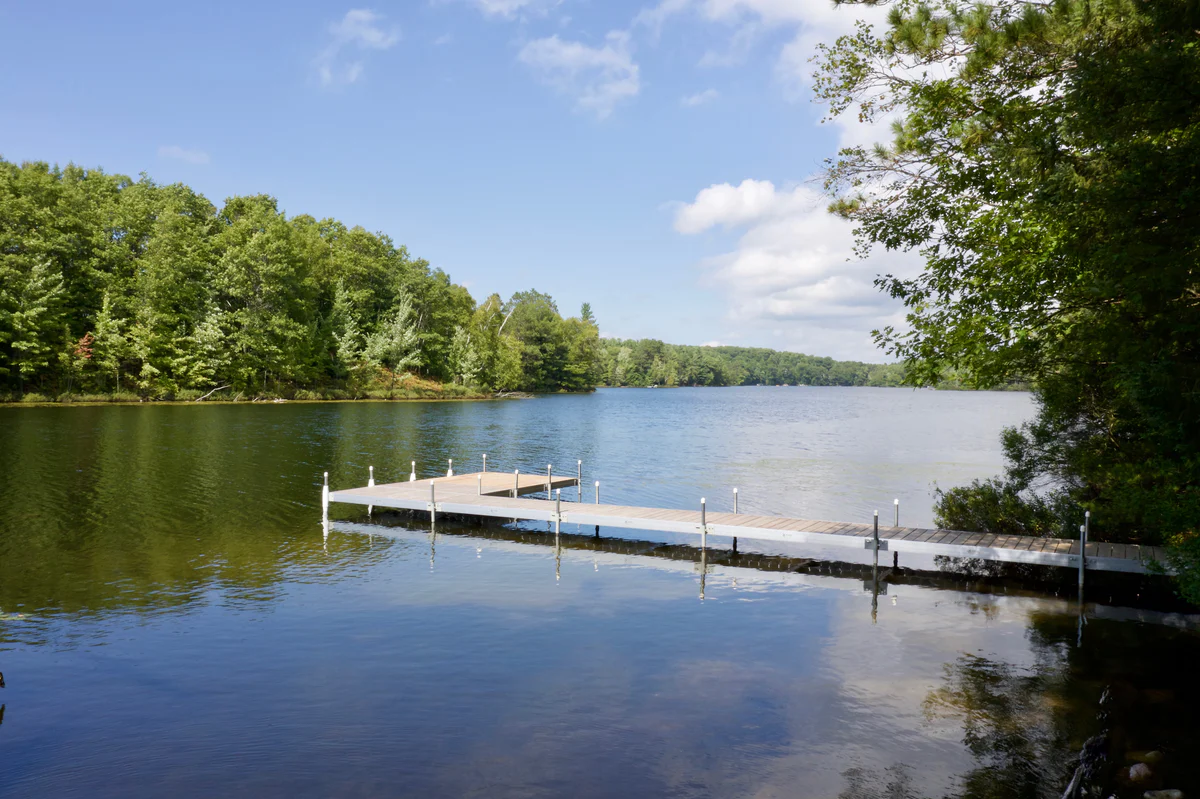
Michigan has the most freshwater shoreline in the country, which means owning a lake house in this state brings real decisions about how you set up the waterfront. The right dock and accessories decide how usable and safe your shoreline is for you and your family to enjoy. Your setup will look different on a quiet inland lake than on open Great Lake water, and that difference shapes what setup is right for you and your lakefront property.

A Quick Tour of Michigan's Lakes
Michigan borders four of the five Great Lakes: Lake Superior, Lake Michigan, Lake Huron, and Lake Erie. That kind of access earned the state its "Michigan playground" reputation, and the nickname fits. Michigan's 3,288 miles of Great Lakes coastline is the longest freshwater coastline in the United States, and the combined surface area of the Great Lakes runs about 94,000 square miles.
Beyond the Great Lakes, Michigan holds roughly 11,000 inland lakes spread across nearly every county. The Michigan Department of Natural Resources also counts tens of thousands of miles of rivers and streams feeding those waters. For exact county-by-county figures, the Michigan Department of Natural Resources offers more in-depth detail on its lake systems.
The two waterfront types ask different things from a dock. A Great Lake supplies wind, wave action, and a shifting water level to navigate, so your dock structure must be able to take a beating and stay secure. A smaller inland lake stays calmer, which offers the choice for a lighter, more flexible setup. Knowing which category your shoreline falls into is the first step towards selecting the right dock for your waterfront getaway.

Most Popular Lakes in Michigan
Among the thousands of lakes in Michigan, a handful stand out as longtime favorites for lake house living. Here are 14 of the most popular, spread across the state from the big waters up north to the busy lakes near Grand Rapids and Detroit.
1. Houghton Lake - Michigan's largest inland lake at over 20,000 acres, in Roscommon County. It stays busy all year, with boating and fishing in the warm months and ice fishing once it freezes.
2. Torch Lake - Famous for turquoise water that looks almost tropical, this Antrim County lake is Michigan's longest inland lake and the centerpiece of the Chain of Lakes.
3. Higgins Lake - Prized for its clear blue water, Higgins is one of the state's most beloved inland lakes for swimming, sailing, and paddle sports.
4. Lake Charlevoix - Michigan's third-largest inland lake connects to Lake Michigan through a channel, giving owners sheltered water plus Great Lakes access. Charlevoix, Boyne City, and East Jordan ring the shore.
5. Burt Lake - At roughly 17,000 acres, the fourth largest inland lake and a key stop on the Inland Waterway, a route that runs about 40 miles.
6. Mullett Lake - An Inland Waterway lake, popular with boaters who like to cover distance across connected lakes and rivers.
7. Walloon Lake - A deep lake near Petoskey, fed by springs and known for crystal clear water and its Ernest Hemingway connection.
8. Glen Lake - Set against Sleeping Bear Dunes near Glen Arbor, with clear, shallow water ideal for paddleboarding and kayaking.
9. Crystal Lake - A remarkably clear lake in Benzie County near Frankfort, known for quiet mornings and a sandy shoreline.
10. Gull Lake - One of southwest Michigan's clearest and most sought after lakes, with strong fishing and upscale lakefront homes.
11. Lake Leelanau - A long, narrow lake threading the Leelanau Peninsula near Traverse City, surrounded by vineyards and orchards.
12. Elk Lake - Part of the Chain of Lakes, with deep, clear water and a quiet, upscale waterfront feel.
13. Reeds Lake - Kent County's largest inland lake, minutes from Grand Rapids, popular for sailing and fishing.
14. Cass Lake - The largest lake in the Detroit metro area, with an active boating community and some of the region's most impressive lake homes.
The common thread among the most popular lakes in Michigan is steady demand for good waterfront access, and that is exactly where your dock setup comes in. A dock matched to your shoreline is what turns a stretch of water into a place you will actually use. Outfitting it with the proper dock accessories is a simple way to protect that investment and get more out of every season on the water.
Why a Michigan Lake House?
Recreation is the obvious draw. You can dive into fishing, paddle boarding, swimming, or canoeing right from your own shoreline, without having to load up your gear. Mornings start at the water instead of in traffic.
Michigan also maintains more than 3,000 miles of marked water trails, so a dock is often home base for your next water adventure. These routes connect lakes and rivers across the region, and easy access to a water trail turns any afternoon on the lake into a trip down the river.
There is a benefit to owning property on a Michigan lake, as well. Lakefront real estate holds its appeal partly because reliable water access comes built in, and a working dock sits at the center of that. A good location on the water with easy dock access maintains its value.
Lastly, there is the community. Lake areas tend to come with local partners worth knowing: marinas, outfitters, and bait shops where both new and longtime residents trade tips for lakefront living. These vibrant communities are part of what makes a waterfront home feel connected rather than remote.
The Best Tommy Docks Products for Your Lake House
Think of a great dock as a system rather than a pile of parts. Since 1987, Tommy Docks has built American-made modular dock systems designed to fit together and adjust as your needs change. Here is where the key products come in.
Floating and Stationary Dock Systems
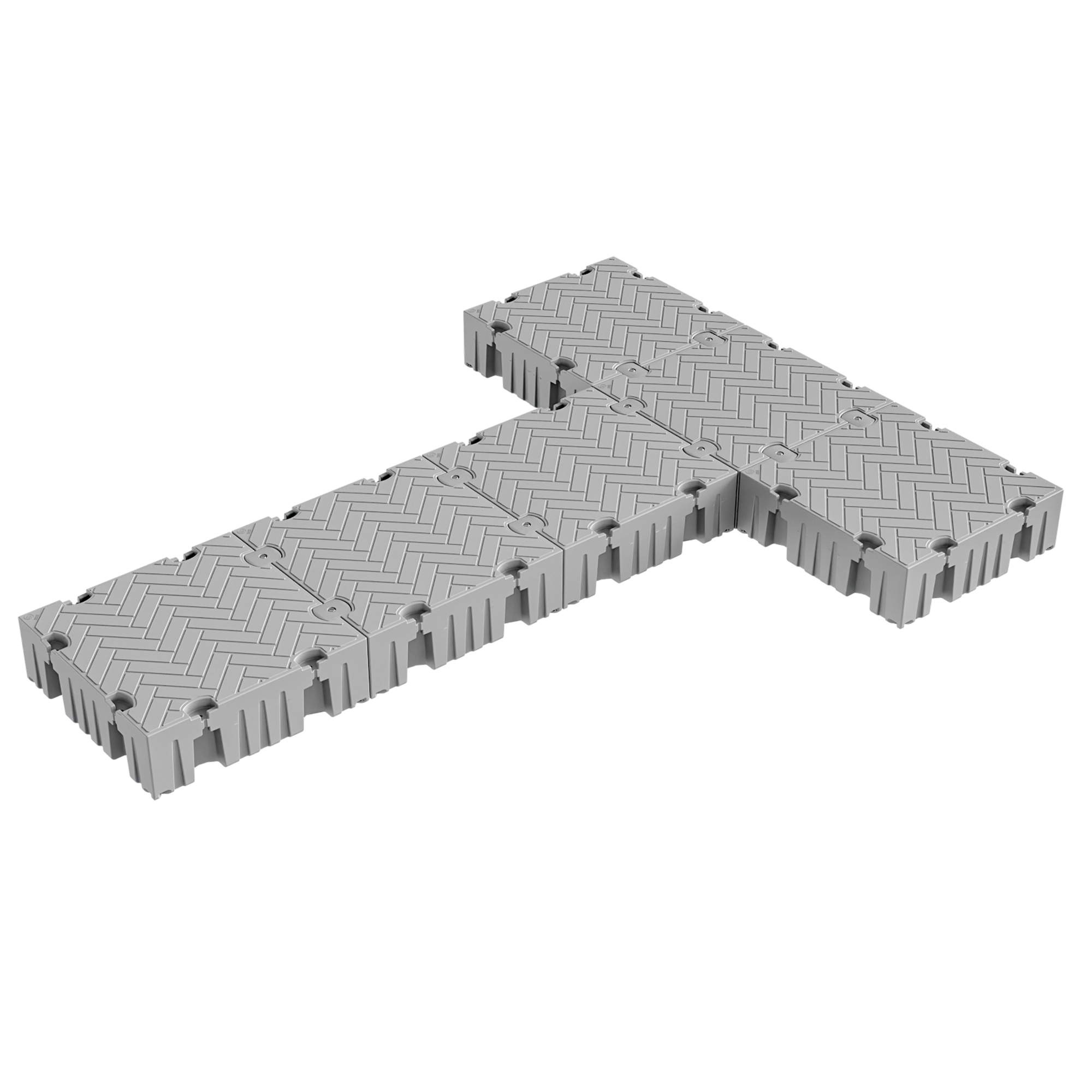
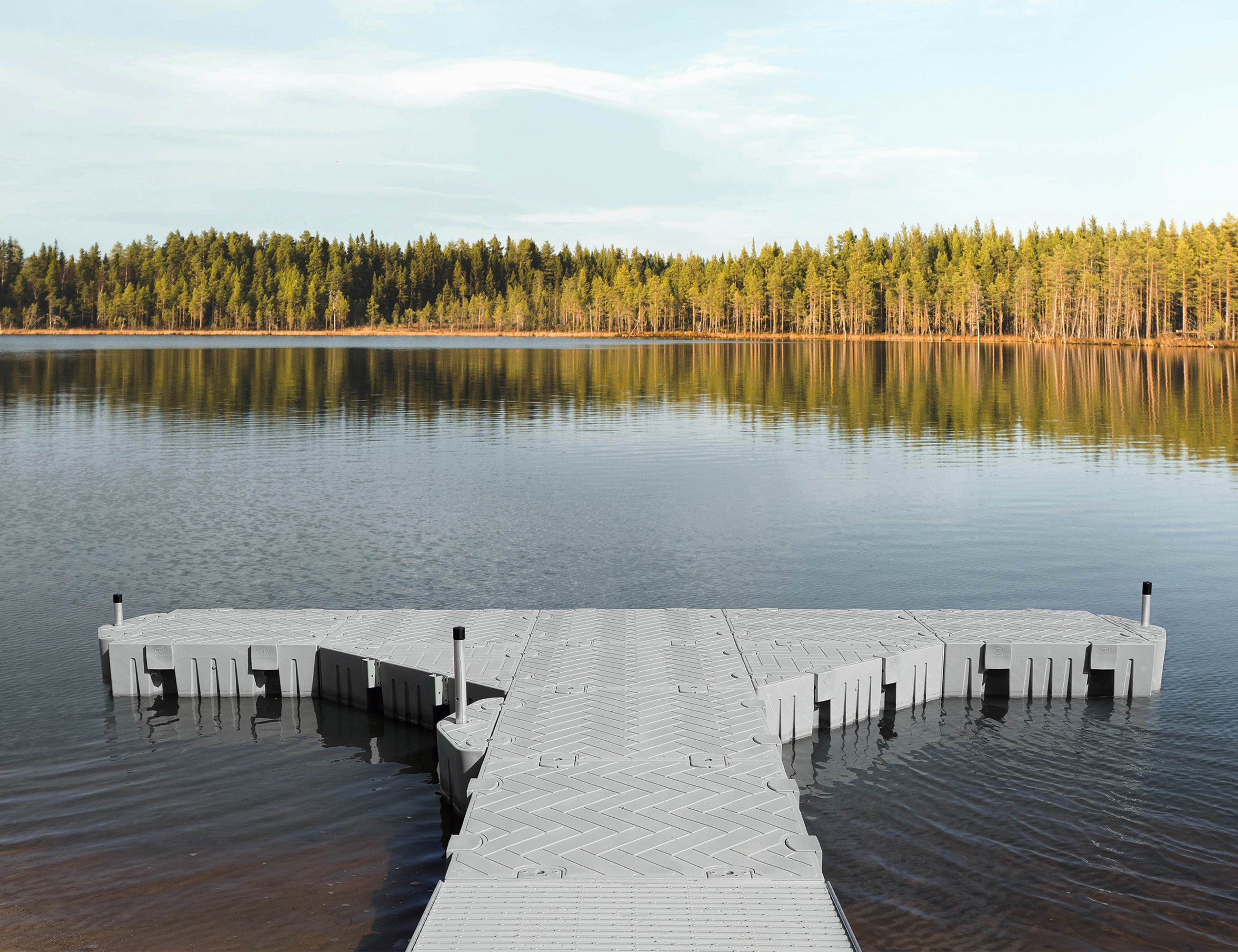
The dock itself is the first decision, and Tommy Docks builds both types. Floating docks rise and fall with the water, which suits deeper spots and shorelines where levels swing season to season, while stationary docks anchor to the lake bottom for a fixed, steady platform in shallow or stable water. Both ship as complete packages with the frame, decking, and hardware sized to work together.
Dock Hardware and Connectors
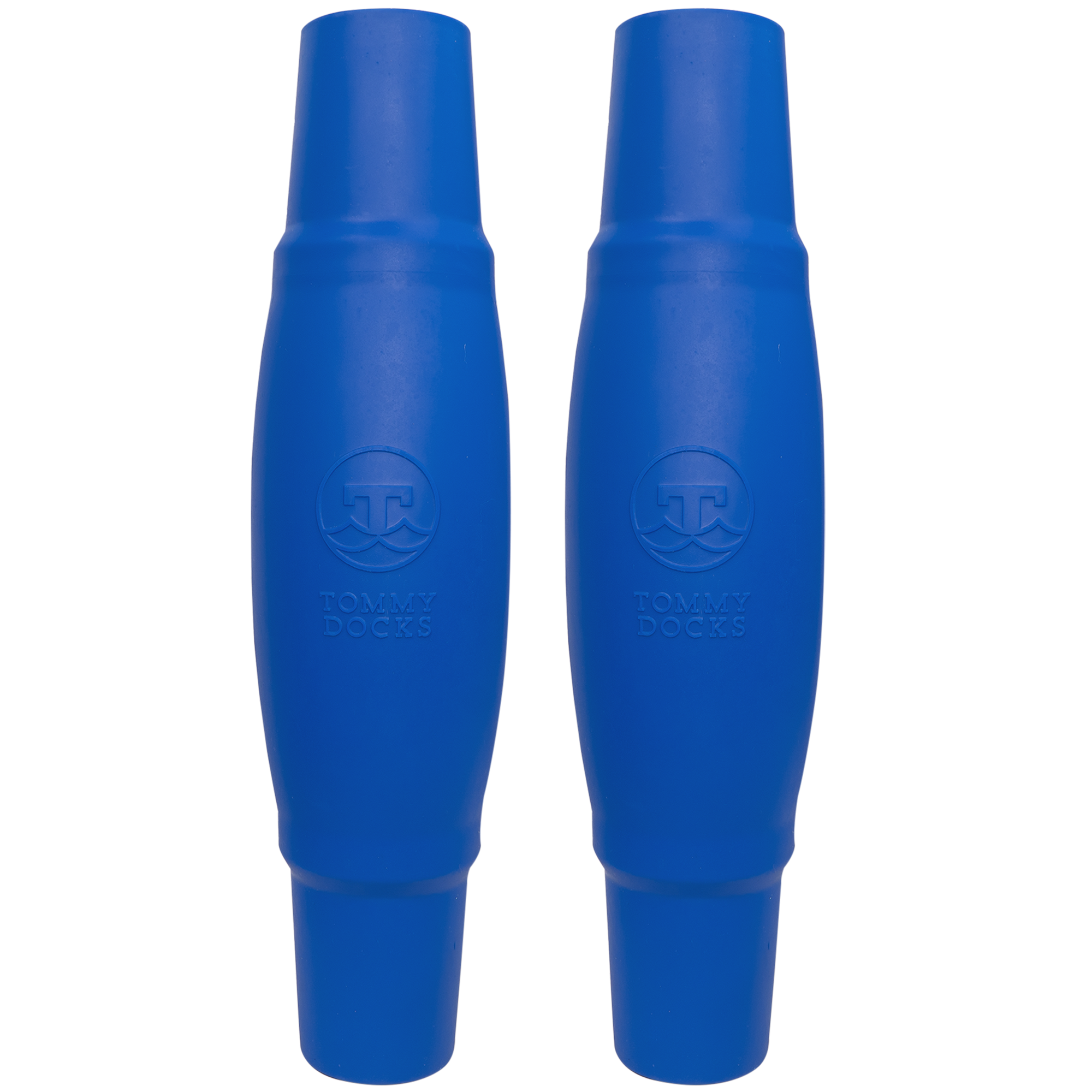
These are the backbone of your dock system. Tommy Docks hardware lets you configure a modular layout now and reconfigure it later without starting over, which matters when your shoreline or your boat changes.
Cleats
Dock cleats give you secure tie-off points for boats, kayaks, and paddle boards. On busier water near a harbor or public launch, having enough solid cleats keeps everything where you left it.
Bumpers and Dock Edging
Accessories like dock bumpers protect both the dock and your watercraft from impact. They earn their keep quickly on a windy Great Lake, where wave action knocks a hull against the frame all day.
Gangways
Gangways are a critical part of your dock system, as they create safe, stable transitions from shore to dock. They are especially useful in areas where the bank is steep, or the water level rises and falls through the season.
Universal Floats
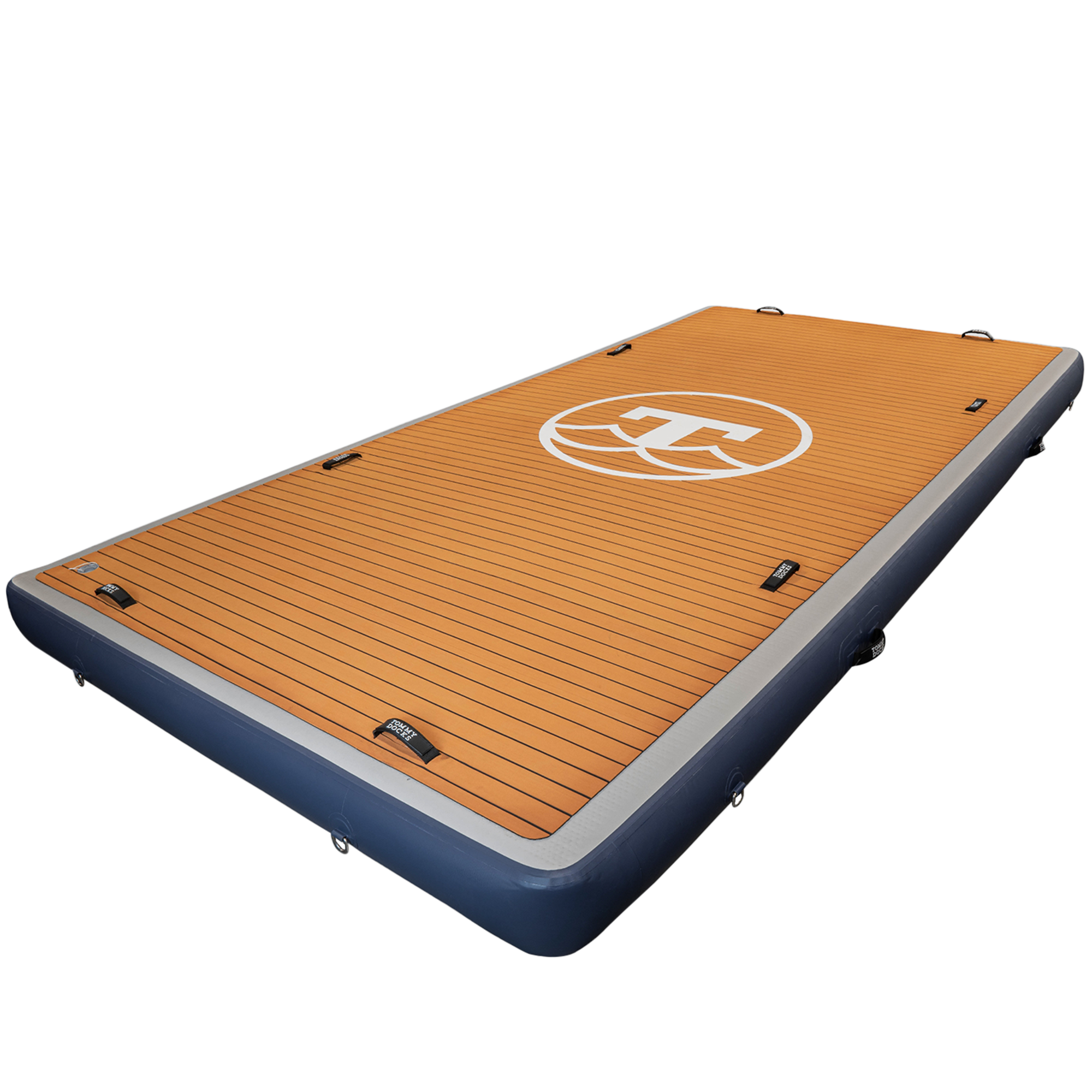
Universal floats add buoyancy and support for floating sections or a swim platform, a popular addition for families who want a place to gather offshore.
You can browse the full Tommy Docks range or look at individual add-ons in the dock accessories collection. Upfront pricing and support from the Tommy Docks team come standard with every product, so what we offer lines up with what you actually need.
Matching Accessories to How You Use the Water
The smartest accessory list starts with how you spend time on the lake, not with the dock itself. A few common setups:

Sort out your main activities first, then build the dock around them. Someone interested in paddle sports needs something different from a household that keeps two boats and hosts weekend swimmers, and the setup should reflect that.
Planning for Michigan's Seasons and Changing Water Levels
Great Lakes and many inland lakes see real water level swings from year to year, so it pays to design with movement in mind. A dock that’s sat right at a high-water mark can end up awkward two seasons later.
Check the latest forecast and current conditions before any spring install or fall removal. Plan around ice-out in the spring and freeze-up in late fall, since both can wreck hardware left in the wrong place. Pulling the latest forecast from local sources also helps you pick a calm window for the work itself.
A modular system pays off here. Adjustable, removable sections make seasonal setup and winter storage far less of a chore than a fixed structure, and they let you respond to a changing water level instead of fighting it. Small additions, such as extra brackets or spare floats, speed up removal every year.
Good winter habits extend hardware life: rinse off grit, store floats and connectors dry, and check fasteners before reinstalling. Tommy Docks provides step-by-step guidance for handling this kind of seasonal work.

Enjoy your Michigan Lake House
The lakes in Michigan offer a wide range of waterfront experiences, and the right Tommy Docks accessories are what turn a stretch of shoreline into a dock you will actually use. Match your setup to your lake type, the way you spend time on the water, and the seasons that shape your shoreline- your paradise awaits.
Ready to build out your spot? Browse Tommy Docks modular dock systems and products to put together a setup for your Michigan lake house, or reach out with any questions about configuring your waterfront. You can also find a local dealer for hands-on help.
Frequently Asked Questions
What are the main lakes in Michigan to consider for a lake house?
Michigan borders four of the five Great Lakes (Lake Superior, Lake Michigan, Lake Huron, and Lake Erie) and holds roughly 11,000 inland lakes across nearly every county. A Great Lake offers you open water and big views, however comes with rougher conditions, while an inland lake usually stays calmer. Your choice shapes which dock and accessories make sense for your property.
How do dock needs differ on a Great Lake versus an inland lake?
Open Great Lake water brings wind, wave action, and a shifting water level, so you want heavier hardware, solid cleats, and bumpers that hold up to constant impact. A quieter inland lake allows for lighter, more flexible setups. Checking conditions on the Michigan Department of Natural Resources website helps you plan for your specific spot and learn more about Michigan's water resources.
When should I install or remove my dock in Michigan?
Most owners install in the spring after ice-out and remove in the fall before freeze-up. Check the latest forecast before you start, since a calm window makes the job safer and faster. Modular sections make seasonal setup and storage much simpler year to year.
Which Tommy Docks products are best for a first-time setup?
A complete dock kit is the easiest starting point because the parts are sized to work together. From there, add cleats, bumpers, a gangway, and universal floats based on how you use the water. You can compare options across the dock kits, hardware, and accessories collection on the Tommy Docks site.
Can a dock improve the value of lakefront real estate?
A reliable dock adds real access to the water, which is a large part of what makes lakefront real estate appealing in the first place. A safe, well-built setup at a good location lets buyers picture fishing, paddle boarding, and boating right away. It is one of the more practical upgrades for a waterfront property.