Should you get a fixed or floating dock? Both will allow you to get to your boat, but which is right for you?
The Difference Between The Dock Types
A fixed dock is a permanent structure anchored to the shore and secured into the lake or river bottom, providing a stable and reliable platform for activities like fishing, lounging, or accessing your boat. These docks are ideal for properties where water levels remain relatively constant, offering a solid, unmoving surface that feels like an extension of your shoreline.
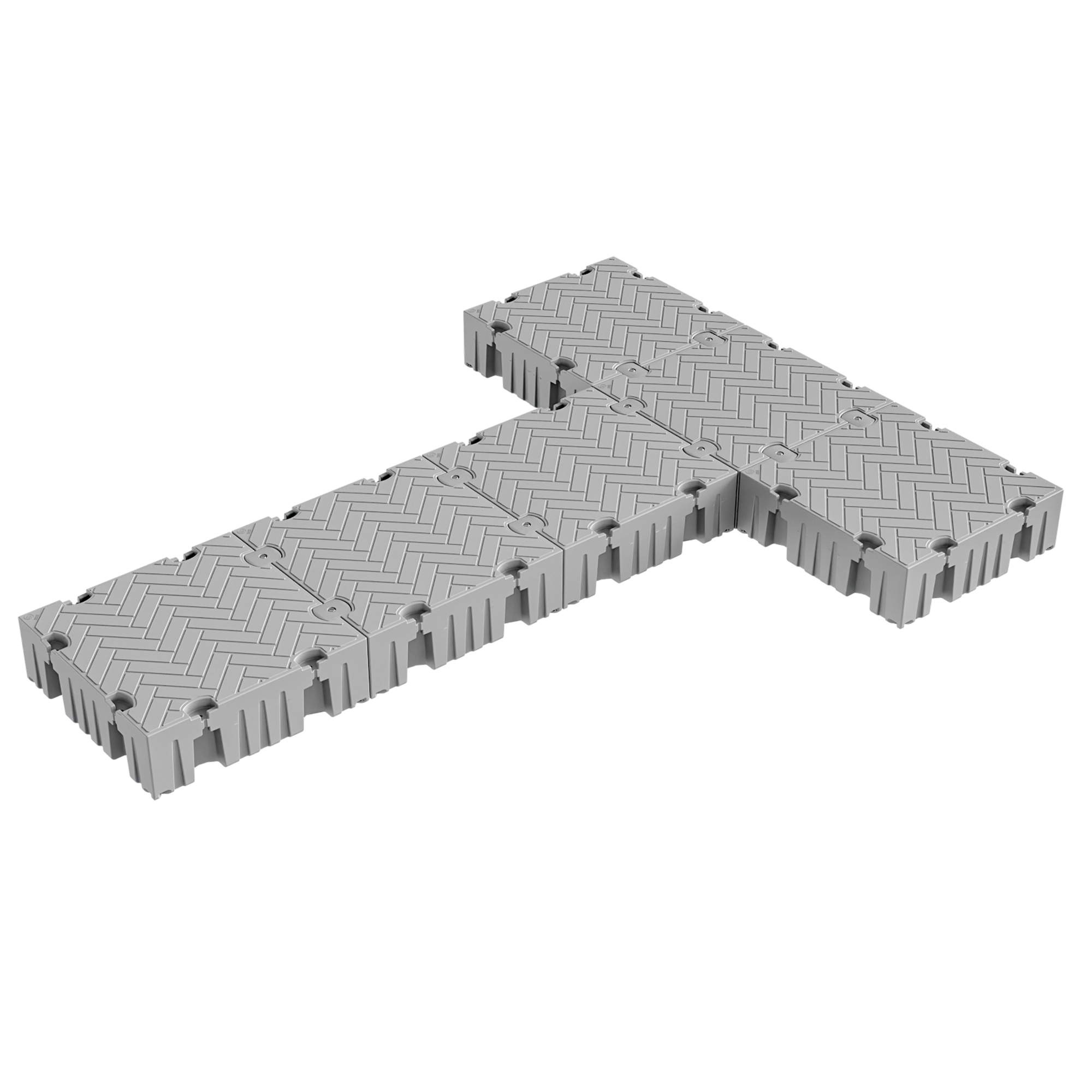
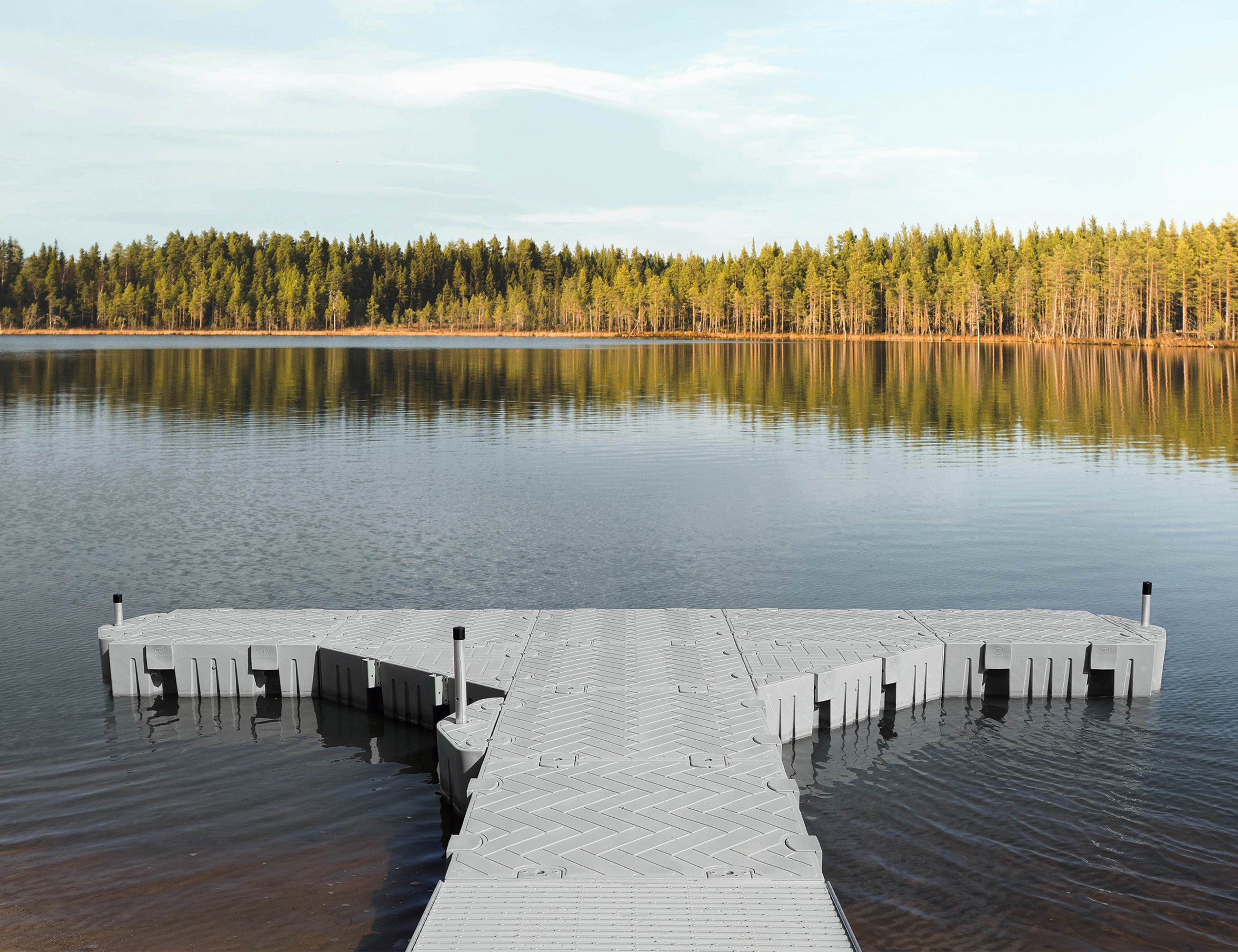
A floating dock is designed to rest on the water’s surface, rising and falling with changing water levels. This floating option is especially beneficial for waterfront properties on lakes or rivers where water levels fluctuate significantly throughout the year. Floating docks provide flexibility and adaptability, ensuring you always have easy access to your boat, regardless of seasonal changes or weather events. Whether your property is on a calm lake or a flowing river, considering how each dock type interacts with your specific waterfront conditions will help you select the right dock for your needs.
Depth of the Water
Fixed Docks are better suited for water depths less than four feet because their pilings can be securely driven into the lake or river bottom, providing a stable, permanent platform. They may be more difficult to install in muddy bottoms where pilings could sink or become unstable.
Floating Docks are better suited for water deeper than four feet, as they rest on the water’s surface and can float freely without risk of touching the bottom, preventing punctures and ensuring buoyancy.
Water Fluctuations
Fixed Docks remain stationary regardless of water level changes, which can make them too high above the water during low tides or partially submerged during high water, complicating boat access.
Floating Docks automatically rise and fall with changing water levels, maintaining a consistent height above the water and ensuring easy, safe access to your boat throughout the year.
Severe Weather
Fixed Docks are rigid and remain in place during storms, which can cause boats to crash into them, potentially damaging both the dock and the boat.
Floating Docks move with waves and wind, reducing impact damage and providing a safer platform during storms; they can also be disconnected and moved to shore to prevent ice or storm damage.
Water Traffic
Fixed Docks provide a solid, stationary platform that is less affected by passing boats and waves, offering a stable area for waterfront activities even in high-traffic areas.
Floating Docks, resting on the water’s surface, move with waves generated by water traffic, which may cause some wobbling and noise, potentially reducing stability during busy periods.
Noise Levels
Fixed Docks do not move and therefore produce minimal noise, making them ideal for quiet relaxation and gatherings.
Floating Docks tend to produce some noise as they move with the water and the chains or anchors may creak or clank, which might be a consideration for noise-sensitive environments.
Dock Use
Fixed Docks offer a stable, solid platform suitable for hosting gatherings, fishing, or relaxing, providing a deck-like feel that supports furniture and heavy foot traffic.
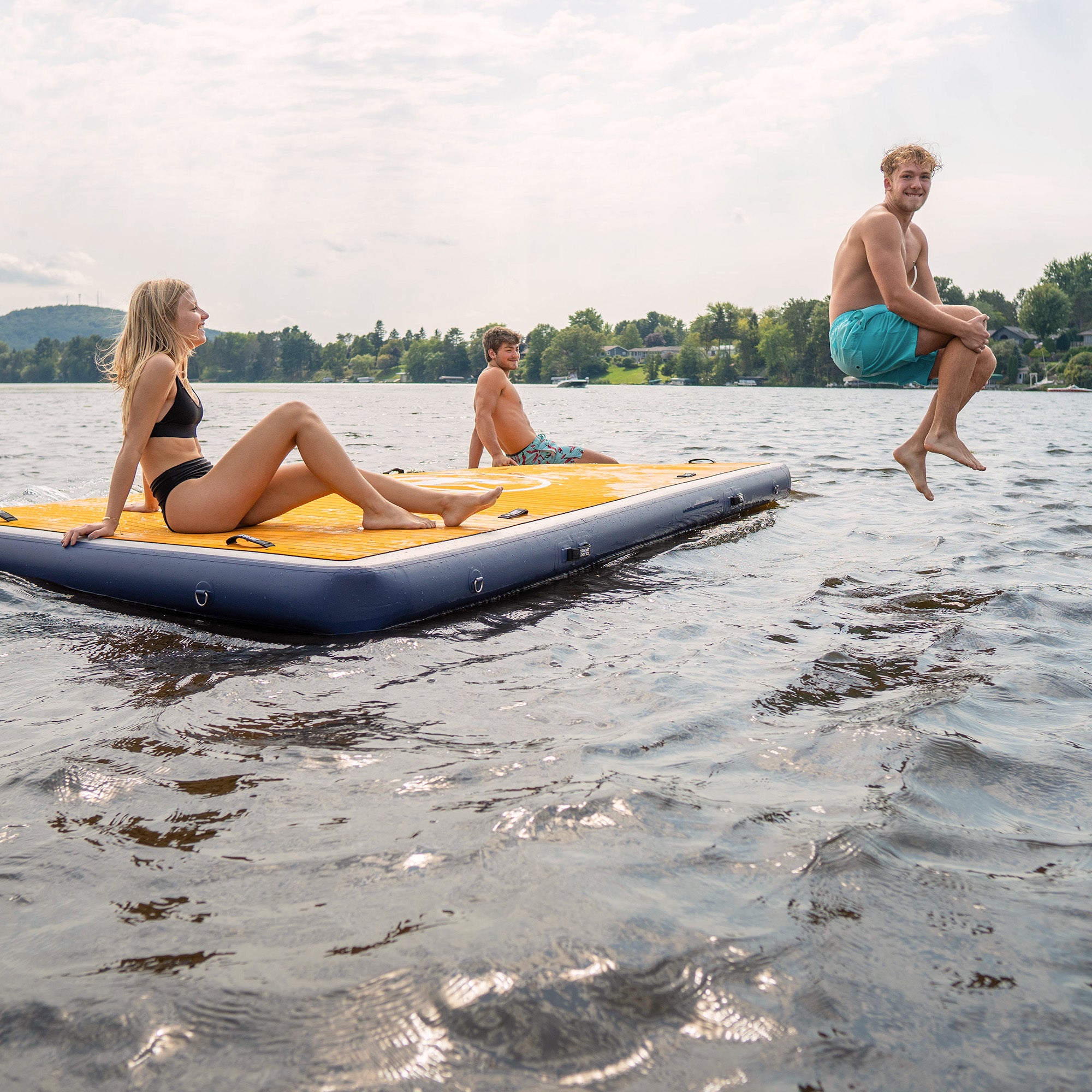
Floating Docks are more suited for activities like swimming and boat access, offering flexibility and ease of movement but with a platform that may shift slightly underfoot.
Materials
Fixed Docks typically use wood or composite materials anchored with pilings, which can be environmentally disruptive but offer a traditional dock aesthetic.
Floating Docks often use materials like aluminum, plastic, or composite, which resist corrosion and can be eco-friendlier due to less invasive installation methods.
Dock Systems and Installation
Fixed Docks require heavy equipment to drive pilings into the lake or river bottom, making installation more time-consuming and costly but resulting in a permanent, sturdy structure.
Floating Docks feature modular systems that are prefabricated and can be assembled quickly with basic tools, allowing for easy installation, relocation, and adaptability to changing water depths.
Cost and Budgeting
Fixed Docks often have higher upfront costs due to the need for pilings, permanent construction, and professional installation, but their durability can reduce maintenance costs over time.
Floating Docks generally have lower installation costs and can be more budget-friendly initially, though they may require more frequent maintenance and repairs depending on weather and water conditions.
Maintenance and Durability
Fixed Docks require regular inspections and upkeep of pilings and decking to prevent damage from weather, water, and use, but can last decades with proper care.
Floating Docks need less maintenance related to water fluctuations since they rise and fall, but wave action and ice can cause wear that necessitates periodic repairs or component replacement.
Environmental Impact
Fixed Docks involve permanent pilings driven into the lake or river bottom, which can disrupt underwater ecosystems and require heavy machinery for installation.
Floating Docks rest on the water’s surface and do not disturb the lake or riverbed, minimizing environmental impact, and many are made from eco-friendly, recyclable materials.
What Boat Dock Is Right For You?
Choose the best dock system for you based on your waterfront property set up. The water, weather, and ongoing set up and maintenance should be considered in your decision. Use this chart to help you compare models.
| Criteria | Floating Docks | Fixed Docks |
|---|---|---|
| Water Depth | Best for deep water (>4 ft) | Best for shallow water (<4 ft) |
| Water Fluctuations | Rise and fall with water levels | Fixed height; may be too high or submerged |
| Severe Weather | Moves with waves; removable | Fixed; prone to storm damage |
| Water Traffic | Can wobble and be noisy | Stable and quiet |
| Noise Levels | Some creaking and clanking | Minimal noise |
| Dock Use | Good for swimming and boat access | Stable for gatherings and fishing |
| Materials | Aluminum, plastic, composite | Wood or composite |
| Installation | Quick, modular, easy | Time-consuming, needs heavy equipment |
| Cost | Lower upfront, more maintenance | Higher upfront, durable |
| Maintenance | Less affected by water changes | Regular inspections needed |
| Environmental Impact | Minimal disruption | Can disrupt underwater habitat |
| Stability | May wobble | Solid and stable |
| Adaptability | Modular and movable | Fixed size and location |
Tommy Docks offers a wide range of stationary and floating dock options to fit any waterfront property.
Tommy Docks stationary docks come in three decking materials: cedar, which offers a classic waterfront look with full customizability; composite, a low-maintenance option available in brown, gray, or terrazzo that resists rot, splinters, and sagging; and aluminum/Titan, built for maximum durability with weather resistance and UV protection. All configurations are available in sizes from 8' to 24' as complete DIY kits, with a limited lifetime warranty on Titan decking and stationary dock brackets.
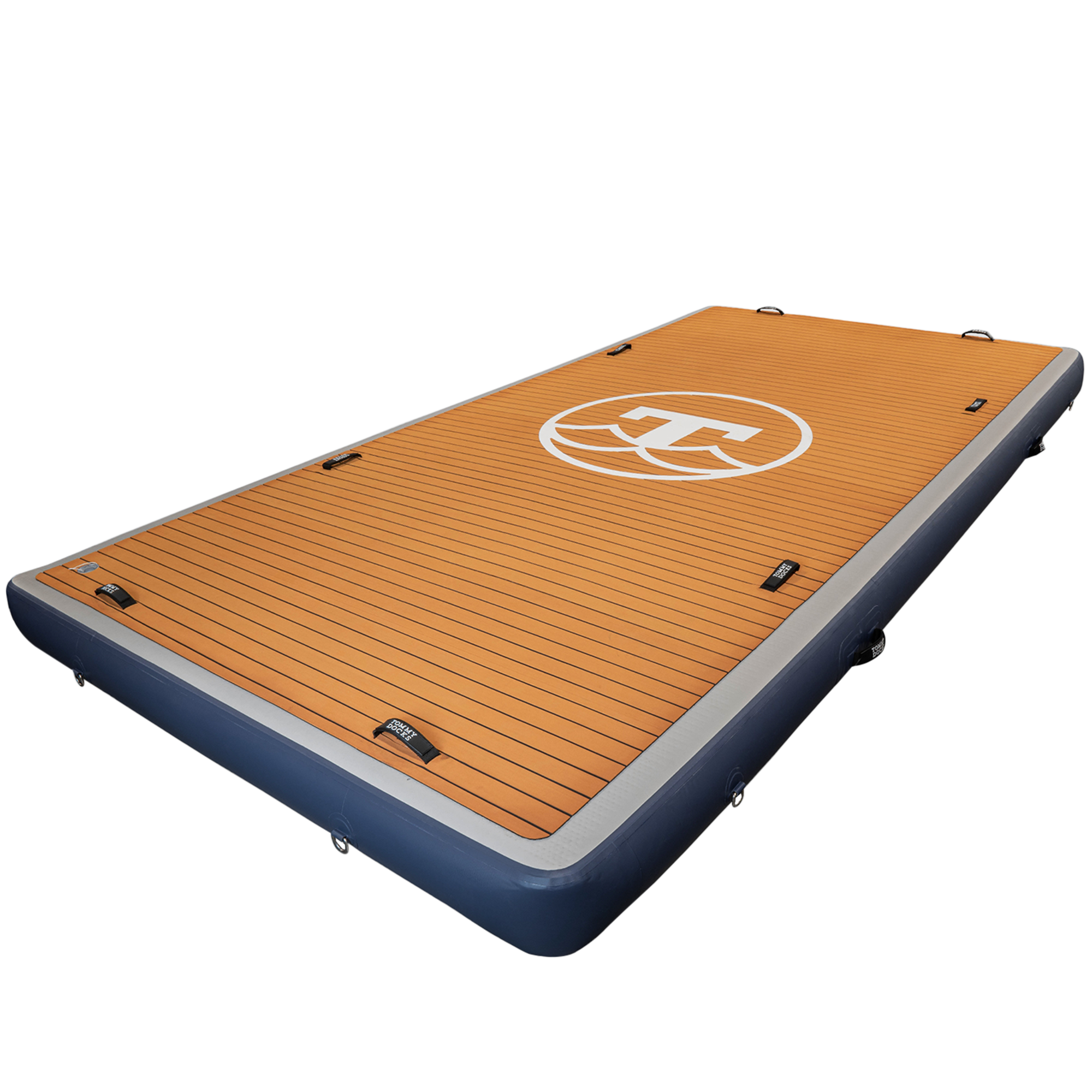
Tommy Docks is particularly known for its FLEXX® Dock Packages, a modular floating dock system that lets you fully customize your setup. Configurations range from a straightforward 16' Straight Floating Dock to expanded layouts like the 16' T-Shaped, 16' Extended Platform, and 16'x12' Platform packages. Add-ons like FLEXX® Anchoring & Accessories, the FLEXX® PWC Port, and the FLEXX® Kayak Launch let you tailor your dock for boating, paddling, or PWC use, and the system is easy to reconfigure, expand, or remove seasonally as needed.